UAE: The Arab Nation Where Oil No Longer Drives the Economy
UAE: The Arab Nation Where Oil No Longer Drives the Economy
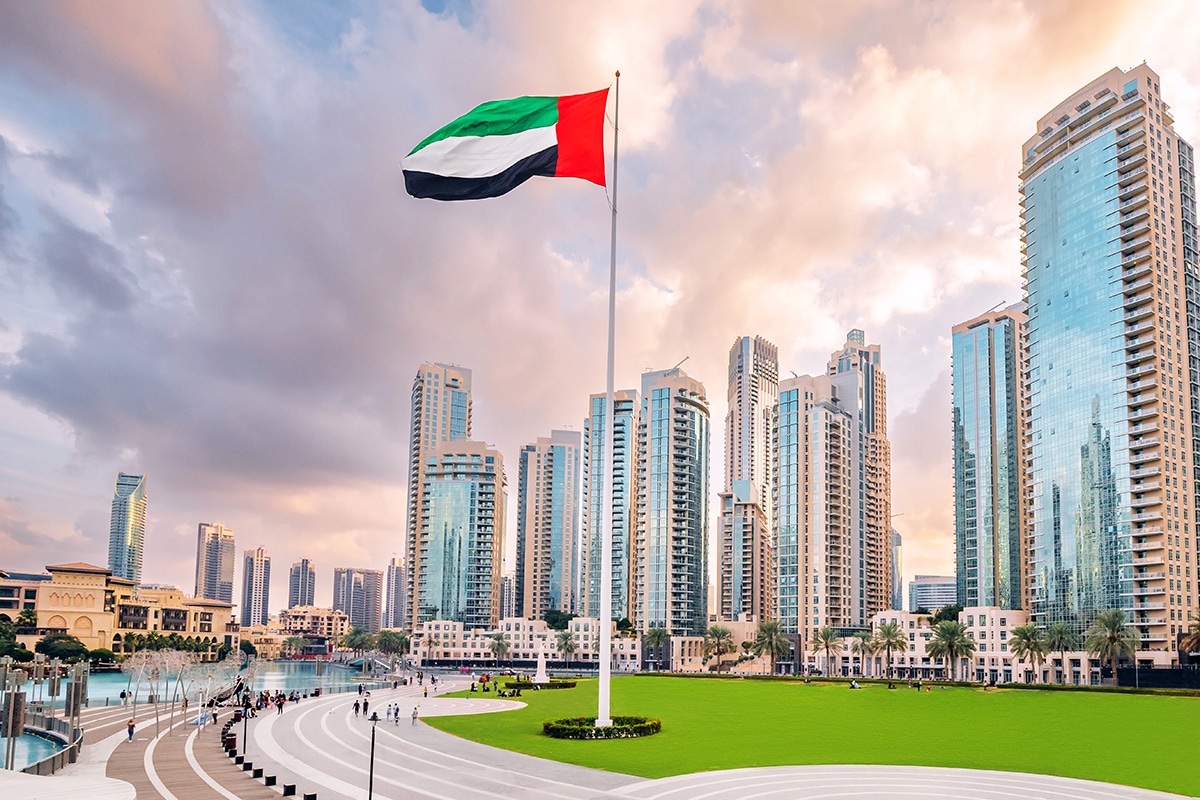
Most people assume oil is still the UAE's main economic engine — but today, energy and oil make up less than a quarter of its GDP. The UAE's economy is now worth roughly $580 billion, the second-largest among Arab nations after Saudi Arabia.
It wasn't always this way. Abu Dhabi began exporting crude in 1962, before the UAE formally formed in 1971. The 1973 oil crisis — when Arab oil-exporting nations cut production and exports to the US and allies over their support for Israel in the Yom Kippur War — sent prices from about $3 to nearly $12 a barrel. While this hurt much of the world, it flooded the UAE with revenue, and by the 1970s oil made up over 60% of its GDP.
Rather than ride that windfall indefinitely, UAE leadership recognized oil's price volatility made it too risky to rely on long-term. In 1976, Abu Dhabi founded ADIA (Abu Dhabi Investment Authority) to convert oil surplus into long-term diversified returns — today one of the world's largest sovereign wealth funds, with assets estimated around $1.13 trillion (per Global SWF, 2026).
Beyond its investment portfolio, the UAE built entirely new domestic industries, later formalized under national plans like UAE Vision 2021 and We the UAE 2031, centered on three strategies: becoming a logistics hub (leveraging its position between Asia, Europe, and Africa, anchored by Jebel Ali Port, one of the Middle East's largest container ports); becoming a tourism magnet (Palm Jumeirah, the Burj Khalifa, hosting Formula 1, COP28, and the World Governments Summit); and becoming a global financial center (via the Dubai International Financial Centre and Abu Dhabi Global Market, plus Golden Visas and Retirement Visas to draw foreign capital and talent).
The result: Dubai and Abu Dhabi are now major hubs for high-net-worth individuals, family offices, and global financial institutions. The takeaway — the UAE didn't wait for oil to run out to find its next act; it started building new economic engines while oil money was still flowing, and non-oil sectors now generate more value than oil itself.